

How a Protective Wood Finish Helps Your Fence Last for Years
Fence staining helps wood fences last longer by sealing out moisture, blocking sun damage, and slowing down rot. When wood is protected, it stays strong and keeps its color. Without protection, boards can crack, warp, and fade much faster. A simple maintenance plan can add years to the life of your fence and help you avoid early replacement.
Why Prevention Matters for Your Fence
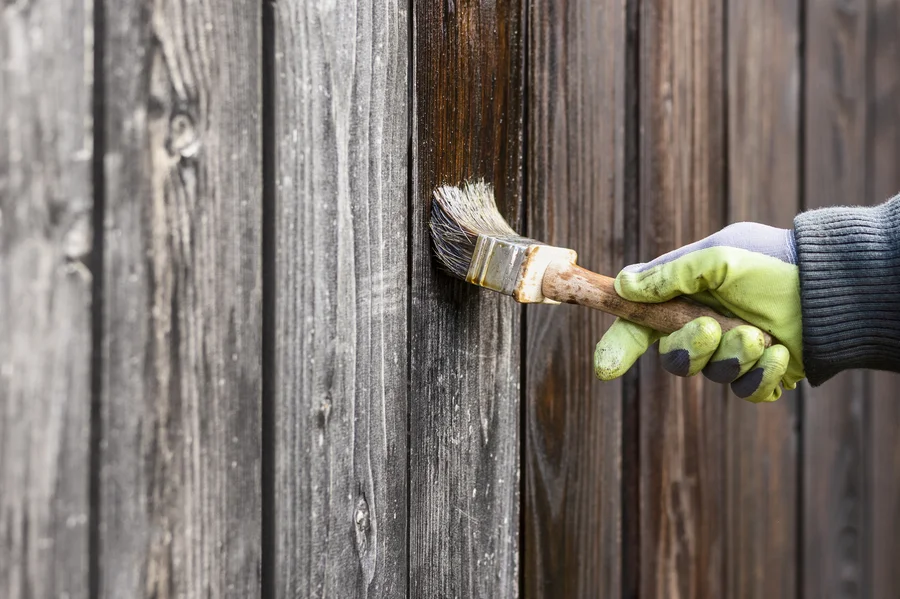
Your fence faces harsh weather every day. Rain soaks into the wood. The sun dries it out. Wind blows dirt and debris against it. Over time, this cycle causes damage. Fence staining works like a shield. It soaks into the wood and seals the surface.
When you keep up with this type of maintenance, you slow down wear and tear. Wood that is sealed is less likely to split or twist. It also resists mold and mildew growth. This can save you money since replacing a fence is much more expensive than caring for one.
Early Warning Signs Your Fence Needs Attention
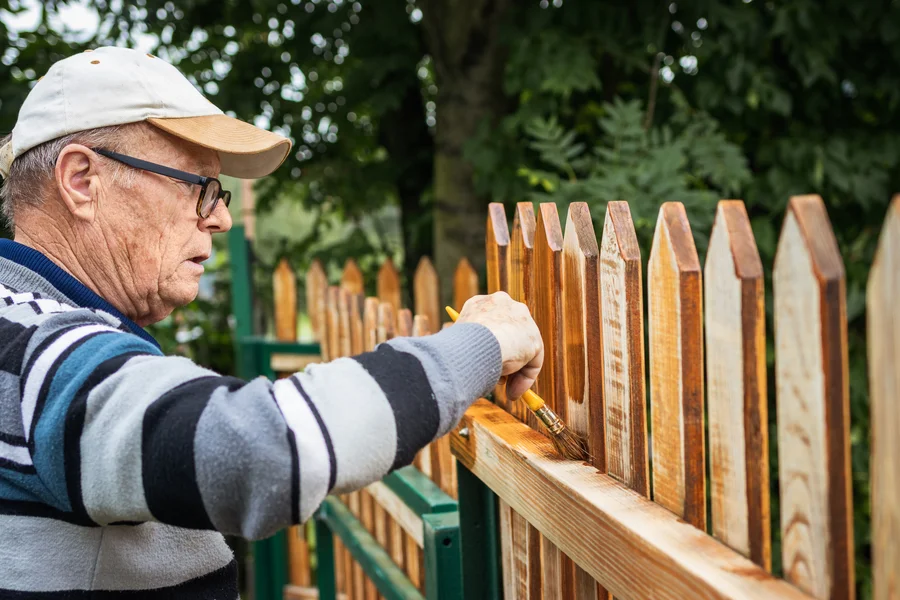
It helps to catch small issues before they grow. Look for signs that your current stain is fading or wearing off.
- Wood looks dull or gray
- Water soaks in instead of beading up
- Boards feel rough or splintered
- Dark spots from mildew appear
- Cracks or slight warping start to show
If you notice any of these signs, your fence may need cleaning and re-staining. Acting early keeps the damage from spreading.
Seasonal Checklist for Longer Fence Life
A simple routine during the year helps extend the life of your fence. You do not need fancy tools. You just need a plan.
- Inspect your fence in the spring and fall.
- Clean off dirt, pollen, and mildew buildup.
- Tighten loose nails or screws.
- Trim plants and grass away from the base.
- Check if water beads on the surface.
If water no longer beads, it may be time for another coat of stain. Most wood fences need staining every two to three years, depending on weather exposure and the type of stain used.
Best Practices for Long-Term Results
Not all stains work the same way. Oil-based stains soak deep into the wood and often last longer. Water-based stains dry faster and are easier to clean up. The right choice depends on your climate and the type of wood used in your fence installation.
Apply stain on dry wood. The fence should be clean and fully dry before starting. Staining damp or dirty boards can trap moisture inside. That leads to peeling and early failure.
It also helps to use even strokes and maintain a wet edge while applying the product. This reduces lap marks and patchy areas. Taking your time during application can add years to the finish.
What Not to Do If You Want Your Fence to Last
Some common mistakes shorten the life of a stained fence.
- Skipping cleaning before staining
- Applying stain in direct, hot sunlight
- Using paint instead of stain on certain wood types
- Waiting too long between maintenance coats
- Letting sprinklers constantly hit the fence
Paint sits on top of the wood, while stain soaks in. When paint peels, it can pull wood fibers with it. In many cases, stain is better for natural wood fencing because it moves with the wood as it expands and contracts.
When to Schedule Professional Help
Some fences need more than a simple recoat. If you see deep cracks, soft spots, or widespread rot, the structure may need repairs first. Large fences can also be hard to stain evenly without the right tools.
A professional can inspect the fence, replace damaged boards, and apply stain evenly. This gives better coverage and stronger protection. If your schedule is busy or your fence is several years old, getting expert help may be the smart move.
Protect Your Fence for Years to Come
Fence staining is one of the easiest ways to protect your investment and extend the life of your wood fence. I provide fence staining services throughout Springtown, TX to help homeowners keep their fences strong and looking great. At Mejia's Fencing & Welding, I focus on careful prep work and clean application so your fence gets the protection it needs. If you would like to talk about your fence or set up a service visit, call me at (817) 225-3193 and I will be glad to help.